Nairobi, Kenya

TVETs Capacity Building

Hands-on technical and vocational skills that turn ability into sustainable livelihoods.

Skills & livelihoods

Purpose rooted in community.

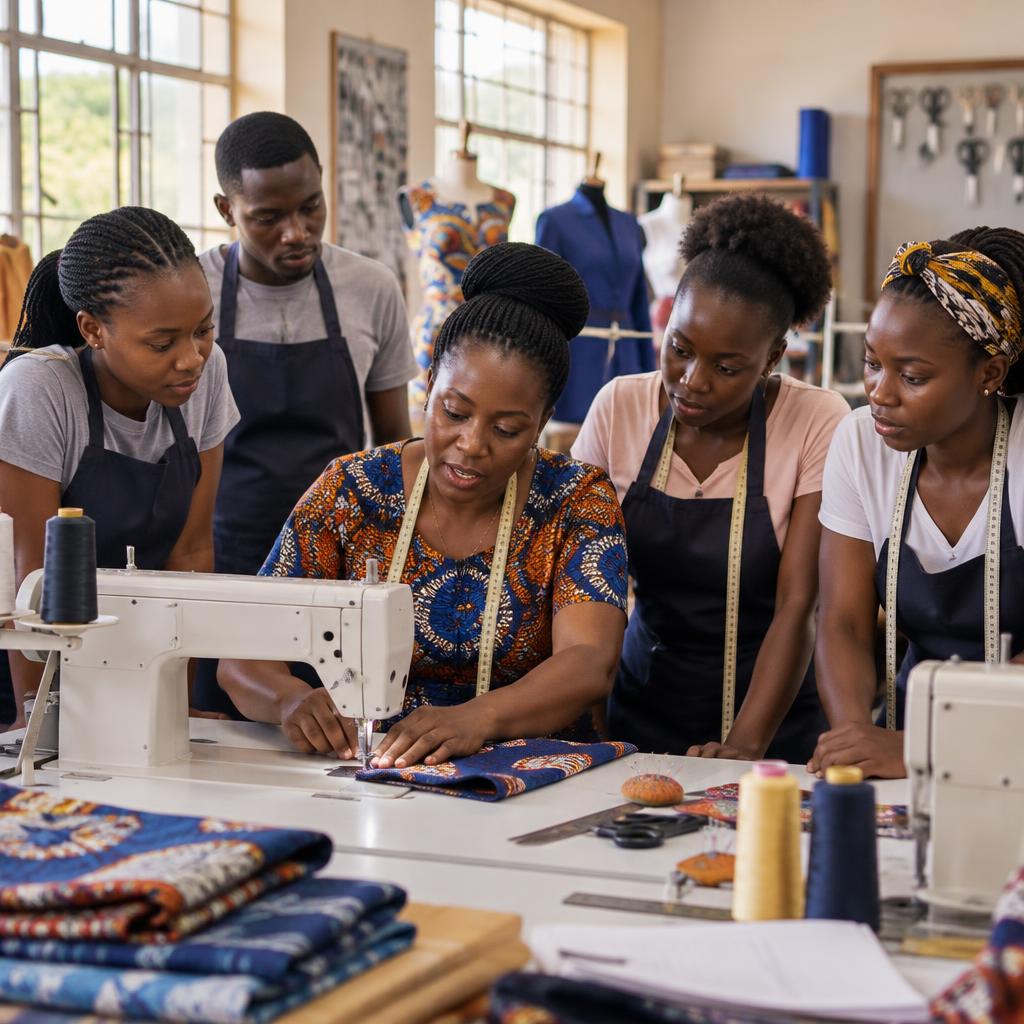
Practical skills open doors that conversation alone cannot. CWAM Foundation’s TVETs Capacity Building programme focuses on technical and vocational education and training — the hands-on disciplines through which people turn ability into livelihood. Vocational skills help people build sustainable, environment-friendly work in fields such as tailoring, catering, construction, hairdressing, digital services, repair and maintenance, and agribusiness. This programme exists to strengthen the skills, confidence and structures that make such learning effective, reflecting CWAM’s mission to equip a new generation of social innovators.

Capacity building works at more than one level. Individuals gain practical competence; trainers and community institutions gain the tools, curricula and confidence to teach well; and communities gain a base of skills they can rely on. When these layers develop together, vocational training becomes more than a certificate — it becomes a foundation for enterprise, employment and shared progress. The programme keeps this wider view in focus while remaining grounded in the everyday realities of learners: time, cost, access to tools and the demands of family life.

Programme focus

Learning with a purpose.

Skills shaped by real demand

Vocational learning is most useful when it answers a need the community already has. Exploring local markets, services and production can reveal which skills offer genuine opportunity — from garment-making and food processing to welding, electrical work, digital design and agribusiness. Learning how to read demand helps participants choose where to invest their effort, and it connects training decisions to the sustainable livelihoods CWAM works to support, rather than to skills learned for their own sake.

Learning by doing

Technical education lives in practice. Working with real tools and materials builds judgement that theory alone cannot: measuring twice, holding an edge, managing a machine and keeping a workspace safe. Practical sessions can also surface the habits that employers and customers value — punctuality, care with materials, honest communication and finishing work to a good standard. Confidence grows the same way, one completed task at a time, until a learner can stand behind their own work.

Strengthening trainers and institutions

Capacity building extends beyond learners. Instructors, workshop leaders and community training institutions also need support: current techniques, organised curricula, workable equipment and the confidence to teach inclusively. Strengthening these foundations means each new group of learners meets better teaching than the last. It also means training environments that welcome women, young people and people of different abilities, so opportunity in technical fields reaches everyone prepared to work for it.

Our approach

Thoughtful learning. Practical possibilities.

The programme’s approach follows a simple, honest sequence. First, listen: understand which skills a community needs and which opportunities exist locally. Next, match training to that reality, so effort leads somewhere useful. Then practise, with feedback that is specific and constructive, and finally connect — to further learning, mentorship or the enterprise support CWAM explores through its other programmes. Each step can be adjusted as circumstances change, and no step is skipped because it seems inconvenient.

Inclusion, sustainability and equity run through this work. Training that ignores the cost of travel, the need for safety or the realities of caring responsibilities will not reach the people who need it most. Environmental responsibility also matters: sustainable materials, energy-aware practice and skills suited to a changing economy keep vocational work viable for the long term. As with all CWAM programmes, this description explains intent and approach; specific course availability, certification and delivery arrangements are confirmed directly with the foundation.

Take the next step.

Contact CWAM to ask about current TVET capacity building activities, partner institutions or opportunities to teach, mentor or contribute equipment and expertise. Learners can share the skills they hope to build and the work they imagine for themselves. Training providers and community institutions can describe their current programmes and where support would help most. The team can clarify what is currently available, the conditions that apply and the next steps before any commitment is made.

Talk to CWAM
Explore all programmes

Good things happen together.

Stories, opportunities and updates from the CWAM community.